How to Create a Cohesive Wedding Design with Stationery and Signage in New England
Updated: Feb 11
If you’re not into the look of a cookie-cutter wedding, welcome! You’re in the right place.
Because here’s the truth: the weddings that feel “luxury” aren’t necessarily the weddings with the most stuff or guest experiences. They’re the weddings that feel intentional. Like every detail belongs. Like someone actually thought it through instead of ordering ten random things from Etsy and hoping they all look good together on the big day.
That’s where cohesive stationery and signage come in.
In Maine, New Hampshire, and Massachusetts, wedding venues bring a lot of personality to the table. Coastal inns, iconic sailcloth-tented waterfront receptions, historic estates, mountain lodges, chic city venues… they already have a vibe. Your job is to make sure your wedding design feels like it was built for that vibe (and for you!). Our job is to make it look easy.
Why Wedding Invitations Set the Tone for Your Entire Wedding
Your invitation suite is the first “design moment” guests experience. Before they see your florals, before they sip a cocktail, before they step into the reception, they’re holding your wedding in their hands.

Your invitations quietly tell your guests:
How the day will feel
What your style is (modern, romantic, editorial, classic)
Whether this wedding is going to feel elevated or… like everyone else’s
And the best part? Invitations don’t have to carry that burden alone. When we design a suite, we’re not only thinking about paper.
We’re thinking about your wedding as a full visual experience. The suite becomes the foundation for:
Welcome signage
Seating chart or escort display
Menus
Bar signage
Table numbers
Ceremony programs
Place cards or escort cards
Match boxes
Thank-you notes
And all the “little” details guests always photograph and swoon over
This is how you get a wedding that feels cohesive from the first impression to the last dance.
What “Design Cohesion” Actually Means (Hint: You Don't Want Matchy-Matchy)
Cohesive doesn’t mean everything looks identical or matching. Cohesive means you’re working from a design system:
Typography that stays consistent across pieces
A color palette that repeats in subtle ways
Motifs or icons that nod to your venue or story
Materials that feel intentional and tactile
Layout choices that look like one brand rather than a mix of five Pinterest boards
Think of it like styling an outfit. You’re not wearing the same fabric head to toe. You’re coordinating shapes, textures, and tones so it looks effortless. That’s the energy we are looking for.
Cohesive Wedding Design for Maine, New Hampshire, and Massachusetts
New England weddings are especially fun because many venues already have built-in character. Your stationery and signage should feel like they seamlessly and effortlessly belong in the space.
Coastal Maine & Massachusetts (Inns, Waterfront, Tented Receptions)
Coastal doesn’t need to mean anchors and rope. We can do coastal in a way that feels elevated. For example:
Soft neutrals (ivory, sand, warm white) with muted blues or greens
Linen textures, handmade papers, organic edges
Airy typography and thoughtful white space
Subtle venue sketches or custom icons that nod to the location
Signage tips for coastal weddings:
Plan scale early because open-air entrances need larger signage
Choose materials that photograph cleanly outdoors
Think through the potential weather conditions when making your signage placement decisions
New Hampshire Mountains & Lakes (Lodges, Resorts, Scenic Properties)
These venues lean warm, grounded, and romantic. Example design elements that fit here are:
Richer neutrals and deeper, saturated colors
Botanical motifs that feel timeless
Heavier paper weights and tactile finishes
Layouts that feel calm and intentional
Signage tips:
Directional signage is often actually useful on large properties
Legibility matters outdoors so type size and contrast are key
Placement can make or break the guest experience
Massachusetts Historic Estates + City Venues (Ballrooms, Museums, Estates)
These venues typically love a refined design system. Stationery that tends to shine here:
Classic typography pairings with editorial spacing
Monograms or crests
Foil, embossing, letterpress, or layered details
Structured layout that feels formal without feeling stiff
Signage tips:
Statement seating charts and welcome signs photograph beautifully in these settings
Cohesive menus and table numbers pull the whole tablescape together
The High-Impact Pieces That Make a Wedding Feel Luxury
Luxury is often about choosing the right pieces, not adding more. If you want to kick it up a couple of notches, prioritize the items guests interact with most.

The Invitation Suite (The Blueprint): A few fun accessories or add-ons are a great way to level up the core pieces.
Welcome Sign (First Impression): Guests notice it. Photographers capture it. It sets the tone.
Seating Chart / Escort Display (Flow + Aesthetic): This is functional and high-photo. It’s also where guest experience can either feel smooth… or chaotic.
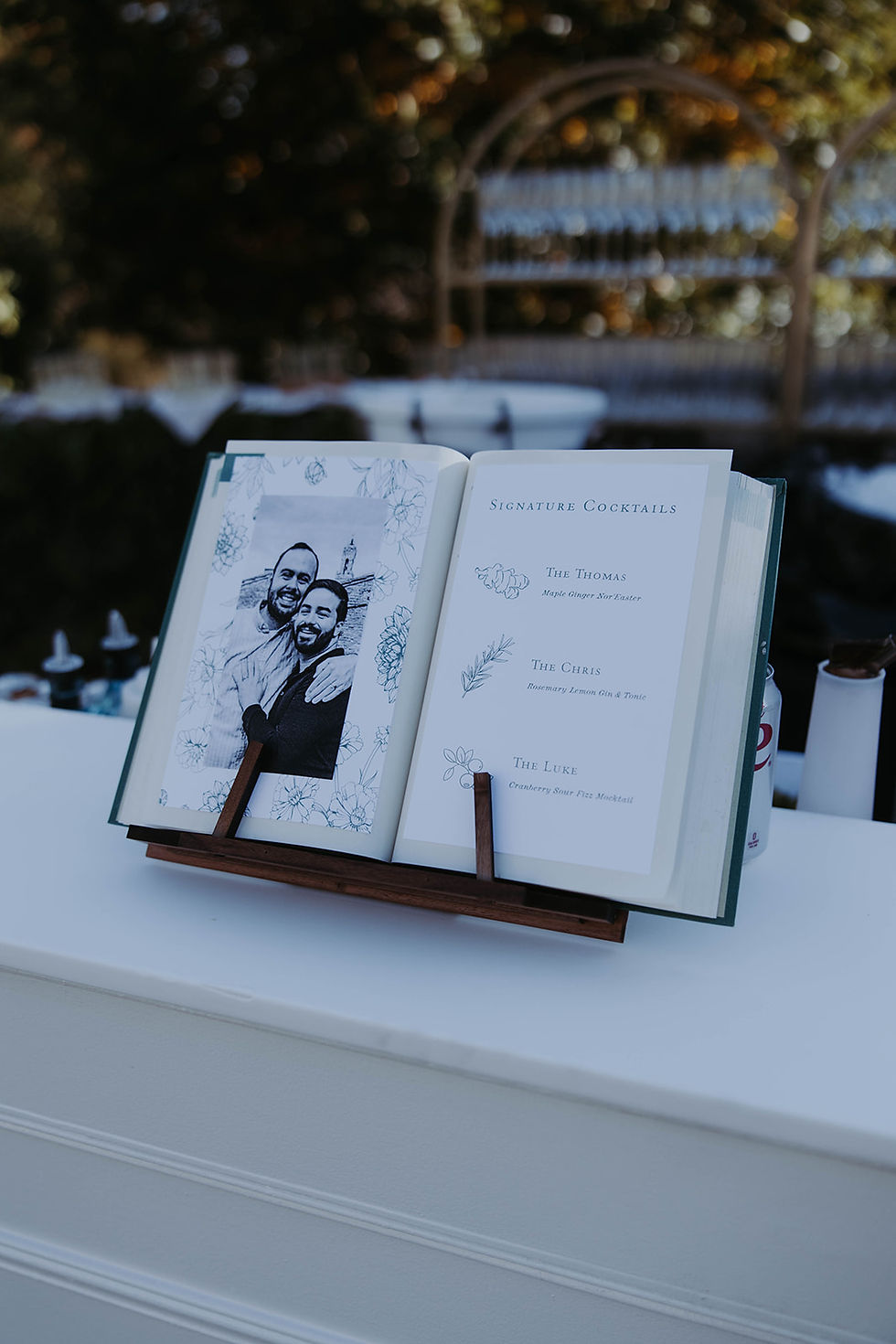
Bar Signage + Menus (High-Traffic Moments): Yes, the bar sign matters! It’s where guests gather, where photos happen, and where your wedding’s personality can really shine.
Practical Tips to Keep Everything Elevated
At the end of the day, here are the things that make the biggest difference:
Scale Matters: Small signs in large spaces read as an afterthought. Larger scale tends to feel intentional and photograph better.
Materials Need to Match the Environment: Outdoor weddings are common in New England. Materials have to hold up and stay readable in the sometimes unpredictable conditions.
Consistency Wins: You can vary layouts, but keep font families and design elements consistent. It’s the simplest route to cohesion.
Plan Stationery and Signage Together: If you plan your day-of pieces after not putting too much thought into invitations, you end up trying to reverse-engineer a design system in the last month. It’s doable, but it’s not fun. Planning everything together is a calmer, cleaner, and better way to go.
Questions to Ask Before Booking a Stationery + Signage Designer
Ask these and you’ll immediately understand if someone is a fit:
Do you design stationery and signage as one cohesive system?
What does your process look like (and how Type-A are you, really)?
How do proofs and revisions work?
Do you offer delivery or installation support?
How do you help us decide which signage pieces are worth it?
Final Thoughts
If you want your wedding to feel cohesive, elevated, and undeniably you, your best bet is to hire a designer that leverages a full design system. Stationery and signage are where that system comes to life.
Planning a 2026 or 2027 wedding in Maine, New Hampshire, or Massachusetts? Come as you are. We’ll handle the rest.

The Importance of Personal Touches in Wedding Design
When planning your wedding, don’t forget to add personal touches. These elements tell your unique love story. Whether it's a favorite quote, a family heirloom, or a nod to your shared hobbies, these details make your day truly yours.
Creating a Narrative Through Design
Think of your wedding as a narrative. Each element should contribute to the story you want to tell. From the invitations to the décor, everything should weave together seamlessly. This is where a cohesive design system shines. It helps create a visual narrative that resonates with you and your guests.
The Role of Color in Wedding Design
Color plays a vital role in setting the mood. Choose a palette that reflects your personality and the vibe you want for your wedding. Soft pastels can evoke romance, while bold colors can create excitement. Remember, your color choices should harmonize with your venue and overall theme.
Incorporating Seasonal Elements
Seasonal elements can enhance your wedding design. In the fall, think about incorporating rich, warm colors and natural textures. In the spring, fresh blooms and light fabrics can create a vibrant atmosphere. Embrace the beauty of New England’s changing seasons to add depth to your design.
The Power of Typography
Typography is another crucial aspect of your wedding design. The fonts you choose can convey different emotions and styles. A modern sans-serif can feel fresh and contemporary, while a classic serif can evoke tradition and elegance. Ensure your typography aligns with your overall design vision.
Final Touches for a Memorable Experience
As your wedding day approaches, focus on the final touches that will leave a lasting impression. From personalized favors to thoughtful signage, these details will enhance your guests' experience. Remember, it’s the little things that often make the biggest impact.
By thoughtfully considering each element of your wedding design, you can create a day that feels cohesive, luxurious, and uniquely yours. So, let’s get started on crafting a wedding that tells your love story beautifully!


Comments